

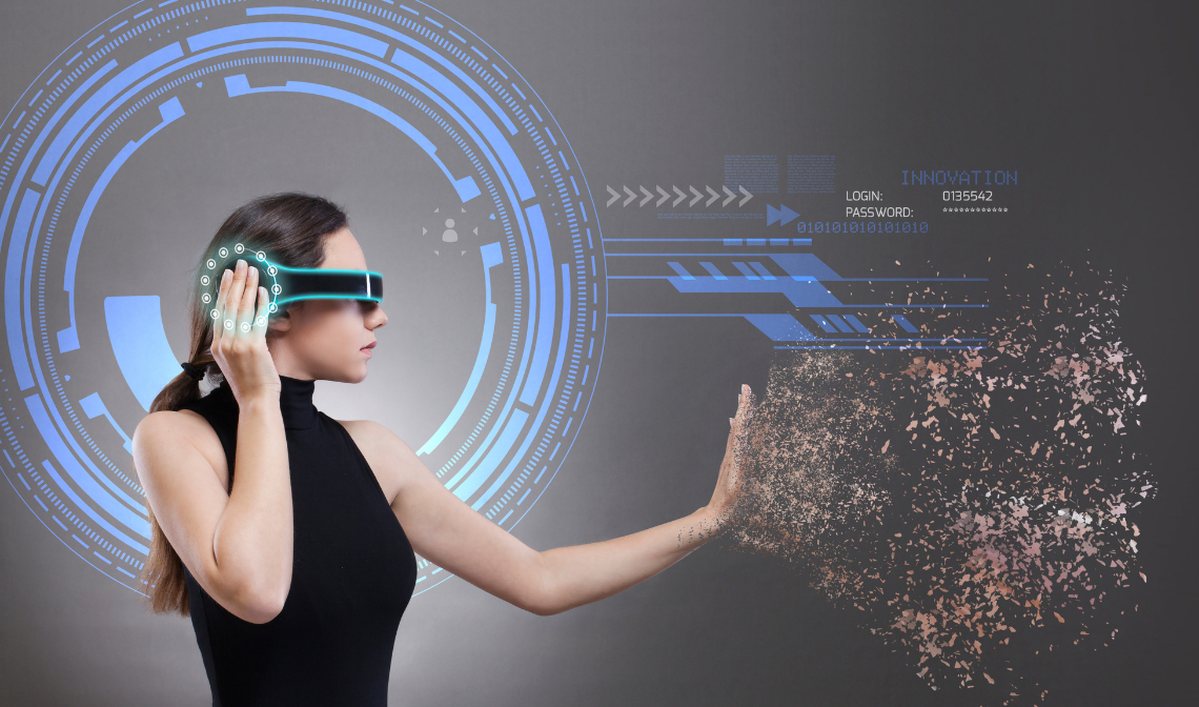
The world is entering a powerful digital shift where next-gen technology is reshaping how people live, work, and communicate. From artificial intelligence to advanced robotics and smart systems, innovation is accelerating faster than ever before. Businesses, governments, and individuals are adapting to this transformation as new tools create smarter, faster, and more efficient solutions. Understanding these changes is important because next-generation technology is no longer a future concept—it is actively shaping the present economy and digital lifestyle.
Artificial Intelligence and Machine Learning Revolution
AI Transforming Everyday Digital Experiences
Artificial intelligence is now deeply integrated into daily life through search engines, voice assistants, recommendation systems, and automated customer support. It improves decision-making by analyzing large amounts of data in seconds. This transformation makes digital systems more personalized and efficient, helping users find faster solutions while businesses improve productivity and accuracy.
Machine Learning Driving Smart Automation
Machine learning is a core part of next-gen technology that allows systems to learn from data without being explicitly programmed. It is widely used in fraud detection, predictive analytics, and content recommendation systems. As algorithms improve, machine learning continues to enhance automation, reducing human effort while increasing precision in complex tasks.
AI in Business and Industry Growth
Industries are adopting artificial intelligence to streamline operations, reduce costs, and increase efficiency. From healthcare diagnostics to financial forecasting, AI helps organizations make data-driven decisions. This growing adoption is one of the strongest drivers of digital transformation in the global economy.
The Expansion of Cloud Computing and Data Ecosystems
Cloud Infrastructure Powering Modern Applications
Cloud computing has become the foundation of modern digital services, allowing businesses to store and manage data remotely. It eliminates the need for heavy physical infrastructure while improving scalability and accessibility. Companies can now deploy applications faster and manage workloads efficiently across global networks.
Big Data Analytics Enhancing Decision Making
Big data plays a critical role in understanding customer behavior, market trends, and operational performance. Organizations use advanced analytics tools to process massive datasets and extract meaningful insights. This helps businesses improve strategies, optimize services, and predict future outcomes with greater accuracy.
Secure Data Management and Digital Storage
With increasing digital dependency, secure data storage has become a priority. Cloud providers now offer advanced encryption, backup systems, and cybersecurity protocols. These innovations ensure that sensitive information remains protected while maintaining easy access for authorized users.
Emerging Technologies Shaping the Future Digital World
Internet of Things Creating Smart Environments
The Internet of Things (IoT) connects devices and systems to create intelligent environments where machines communicate with each other. From smart homes to industrial automation, IoT enhances convenience, efficiency, and real-time monitoring. This technology is transforming everyday life by making systems more responsive and interconnected.
Blockchain Enhancing Transparency and Security
Blockchain technology is redefining digital trust by creating decentralized and transparent systems. It is widely used in finance, supply chain management, and digital identity verification. By removing intermediaries, blockchain improves security, reduces fraud, and increases accountability across digital transactions.
Advanced Robotics in Modern Industries
Robotics is rapidly evolving with the integration of AI and machine learning. Modern robots are capable of performing complex tasks in manufacturing, healthcare, and logistics. These systems improve productivity, reduce human error, and support high-precision operations in challenging environments.
FAQs
What is next-gen technology?
Next-gen technology refers to advanced digital innovations like AI, IoT, blockchain, and cloud computing that improve modern systems.
Why is artificial intelligence important?
AI is important because it automates tasks, improves decision-making, and enhances efficiency across industries.
How does cloud computing help businesses?
Cloud computing helps businesses store data securely, scale operations easily, and reduce infrastructure costs.
What is the role of IoT in daily life?
IoT connects devices to create smart systems that improve convenience, automation, and real-time communication.
Is blockchain only used in cryptocurrency?
No, blockchain is also used in supply chains, security systems, and digital identity management.
Conclusion
Next-gen technology is rapidly transforming the global digital landscape through innovations in artificial intelligence, cloud computing, and emerging systems like IoT and blockchain. These technologies are not only improving efficiency but also reshaping how industries operate and how people interact with digital platforms. As innovation continues to evolve, understanding and adapting to these changes will be essential for staying competitive in the modern world.