

The world today is going through rapid changes that are affecting economies, politics, technology, and daily life across all regions. From rising inflation and global economic pressure to ongoing geopolitical tensions and climate-related challenges, the modern world is facing multiple overlapping crises at the same time. Understanding these global developments is important because they influence jobs, prices, security, and future opportunities. This report provides a clear and simple overview of the major global issues shaping today’s world and explains what they mean for people everywhere.
Global Economic & Inflation Pressures
Rising Inflation and Cost of Living
Global inflation continues to be one of the most significant challenges affecting both developed and developing countries. The prices of essential goods such as food, fuel, housing, and transportation have increased, putting pressure on household budgets. Many economies are struggling to balance growth while controlling inflation, making daily life more expensive for ordinary people. This situation has created financial stress for families and increased demand for better economic policies.
Slow Economic Growth in Major Economies
Many large economies are experiencing slower growth due to reduced consumer spending, high interest rates, and global uncertainty. Businesses are becoming more cautious in hiring and investment decisions, which is impacting job creation in several regions. This slowdown is also affecting international trade, as countries are focusing more on internal stability rather than expansion. As a result, economic recovery is uneven across the world, with some regions recovering faster than others.
Employment Challenges and Job Market Shifts
The global job market is changing rapidly due to economic uncertainty and technological transformation. Many traditional jobs are becoming less stable, while demand for digital skills and remote work opportunities is increasing. Companies are prioritizing efficiency, automation, and skilled workers, which is creating a gap for unskilled labor. This shift is forcing workers to adapt by learning new skills and exploring alternative income sources in the digital economy.
Geopolitical Conflicts & Security Shifts
Ongoing Regional Conflicts and Tensions
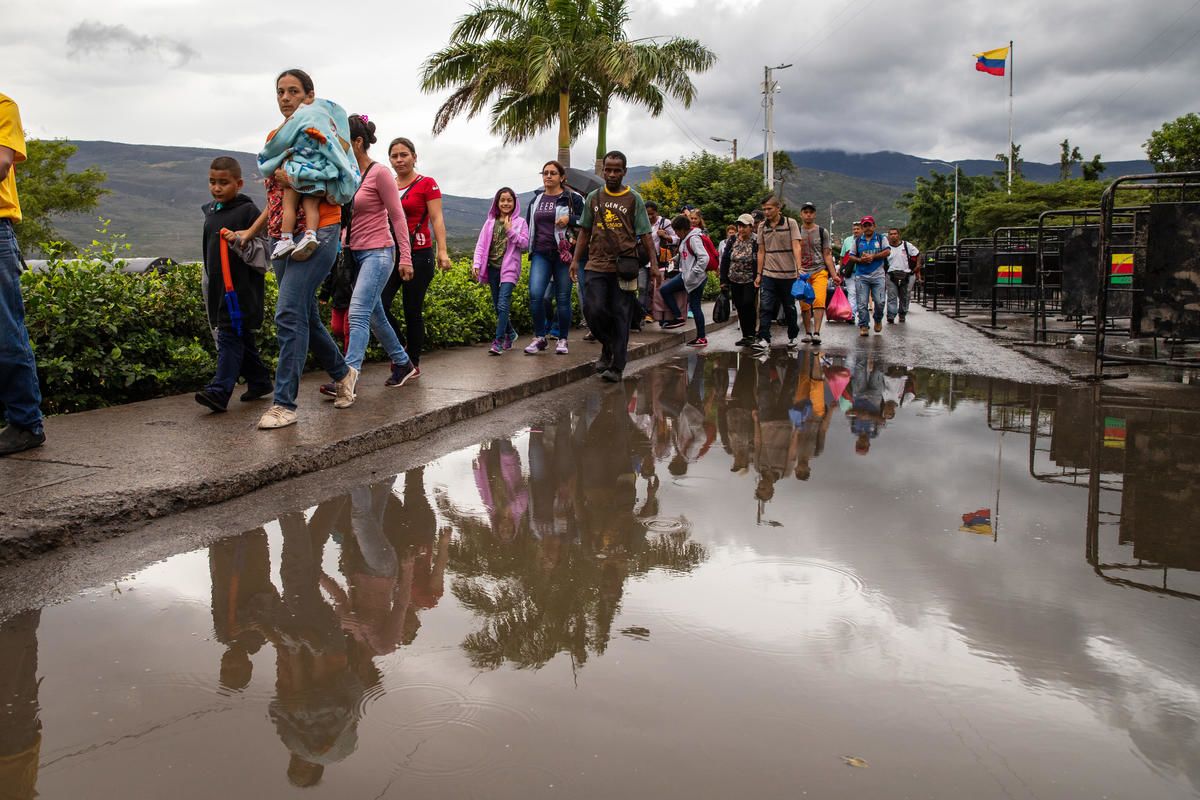
Several regions around the world are facing ongoing conflicts that continue to affect global stability. These tensions are not only impacting the countries directly involved but also influencing international relations and global trade routes. Political disagreements, territorial disputes, and security concerns are contributing to an uncertain global environment. This instability often leads to humanitarian challenges and displacement of populations.
Changing Global Alliances and Power Structures
The global political landscape is shifting as countries form new alliances and redefine old partnerships. Economic interests, security concerns, and strategic influence are driving these changes. Many nations are focusing on strengthening regional cooperation to reduce dependency on traditional power centers. This shift is gradually changing how global decisions are made and how international cooperation functions.
Rising Focus on National Security and Defense
In response to global uncertainty, many countries are increasing their focus on national security and defense systems. Governments are investing in military modernization, cybersecurity, and intelligence systems to protect national interests. Cyber threats have also become a major concern, leading to stronger digital protection strategies. This increased focus on security reflects the growing complexity of modern global risks.
Climate Change & Environmental Challenges
Increasing Climate-Related Disasters
Climate change is causing more frequent and intense natural disasters across the world, including floods, heatwaves, wildfires, and storms. These events are affecting millions of people and causing significant economic damage. Many regions are struggling to recover from repeated environmental shocks, which is making long-term planning more difficult. The rising intensity of these disasters highlights the urgent need for climate action.
Global Efforts Toward Sustainability
Countries and organizations are increasingly focusing on sustainability initiatives to reduce environmental damage. Efforts include renewable energy development, carbon reduction policies, and environmental protection programs. Businesses are also adopting greener practices to meet global standards and consumer expectations. However, progress is uneven, and many regions still face challenges in implementing effective environmental policies.
Water, Food, and Resource Stress
Growing population demands and environmental changes are putting pressure on natural resources such as water and food supply. Some regions are experiencing shortages due to droughts, poor infrastructure, and climate imbalance. This is creating concerns about long-term food security and resource management. Governments and organizations are working on solutions, but global coordination is essential to address these challenges effectively.
FAQs
1. What is the biggest global crisis right now?
The biggest global crises include economic inflation, geopolitical tensions, and climate change.
2. How does global inflation affect daily life?
It increases the cost of essential goods like food, fuel, and housing, reducing purchasing power.
3. Why are global conflicts increasing?
Conflicts are rising due to political disputes, resource competition, and security concerns.
4. How is climate change impacting the world?
It is causing extreme weather events, resource shortages, and environmental instability.
5. What is the future outlook of the global economy?
The global economy is expected to recover slowly, but challenges like inflation and uncertainty will continue.
Conclusion
The world is currently facing a combination of economic, political, and environmental challenges that are reshaping global systems. While inflation and slow growth are affecting economies, geopolitical tensions and climate change are adding further pressure. Despite these challenges, countries and organizations are actively working toward solutions and long-term stability. Understanding these global changes helps individuals and businesses prepare better for the future and adapt to an evolving world.